Posted on

A Critical Look at New Nitazene Test Strip Research: Are They Still a Vital Harm Reduction Tool?


A new study has been published in the Harm Reduction Journal evaluating the effectiveness of nitazene immunoassay test strips. As a provider of drug checking tools, we believe it is vital to engage with new research to ensure our community has the most accurate information available. The paper, “Evaluation of nitazene immunoassay test strips for rapid in-situ detection of nitazene and nitazene analogs in illicit drug samples,” provides some important data, but also contains findings that could be easily misinterpreted without proper context.

This blog post will break down the study’s key findings, address some of its more conclusions, and clarify what this means for people using test strips as a harm reduction tool in the real world.

The Caffeine “False Positive” – A Matter of Interpretation

One of the paper’s headline findings is that the test strips produced false positives when testing seized heroin samples, which they attribute to high concentrations of caffeine, a common cutting agent.

However, a crucial detail is lost in this summary. The researchers themselves note that a “faint line” appeared on these tests. According to the manufacturer’s instructions—and a fundamental rule of interpreting these strips—any line or mark in the test region (T), no matter how faint, must be considered a negative result.

Therefore, calling a faint line a “false positive” is a significant misinterpretation. It is more accurately described as interference that causes the negative-result line to fade. This is an important distinction because it can cause confusion and lead people to discard a substance unnecessarily. While a false positive is far less dangerous than a false negative, correct interpretation is key to building trust in these tools.

While the paper tested strips from the manufacturer BTNX (which Reagent Tests UK does not sell), our own in-house tests on the strips we provide show a similar fading effect from caffeine, but only at very high concentrations, typically above 1mg/mL (1000µg/mL). The researchers found that a true false positive—the complete disappearance of the test line—only occurred with extreme concentrations between 7-10mg/mL.

Do Faint Lines Matter? A Look at Real-World Concentrations

This brings us to the most relevant question: could a high concentration of caffeine mask a dangerous amount of nitazene? Let’s look at the numbers.

If we take the worst-case scenario from the paper, where a true false positive is caused by caffeine at 7mg/mL (7000µg/mL), the test strip is still incredibly sensitive. A strip with a Limit of Detection (LOD) of 3000ng/mL (3µg/mL) could still detect a nitazene analog present at just 0.04% of the total sample weight (3µg nitazene / 7000µg caffeine).

To put that in perspective, the potent nitazene analog etonitazene is roughly 1,500 times the strength of morphine, or about 100 times the strength of heroin. A heroin-equivalent dose of etonitazene would require it to be present at over 0.10% of the total mass. Therefore, a test that can detect nitazenes down to 0.04% is more than capable of identifying a dangerously adulterated sample, even in the event of it being cut with extreme amounts of caffeine.

Using 1mg/mL as a standard testing concentration would allow detection of 0.28% nitazenes in dry mass even for those which are hardest to detect, and 0.05% for easier to detect compounds like N-desethyl etonitazane.

The Real Concern: Undetected “Desnitazenes”

While the caffeine issue has been overstated, the paper raises a far more critical point: the tested strips were unable to detect ‘desnitazene’ analogs. These are compounds like metodesnitazene or etodesnitazene, which lack the “nitro” group from their chemical structure.

The study found that the BTNX strips failed to produce a positive result for these compounds, even at high concentrations. This represents a genuine risk of a false negative. With etodesnitazene possessing a potency of around 70 times that of morphine, its undetected presence in a substance believed to be heroin could easily lead to an overdose.

This is the most significant takeaway for the harm reduction community. We must be vigilant for the appearance of these desnitazene analogs on the market and recognise the current limitations of immunoassay strips in detecting them.

The Golden Rules of Harm Reduction Testing

This research underscores a core principle of drug checking: it can never be used as a guarantee of safety. Instead, testing is a powerful tool to prevent the most dangerous situations from arising, such as encountering a potent synthetic opioid when expecting traditional heroin.

It is just one tool in a much larger harm reduction toolbox. Its use must always be accompanied by other essential practices:

  • Start with a small test dose (“start low, go slow”).
  • Never use alone.
  • Have naloxone on hand and know how to use it.
  • Be aware of the limitations of your testing equipment.

Correct test procedure is also non-negotiable. For nitazene strips, this means:

  1. Dissolve a very small amount of your sample (a tenth of a dose is a good guide) in about 10mL of water.
    • Using warm water and a little lemon juice can help ensure everything dissolves.
  2. Dip the strip into the liquid up to the MAX line for 15 seconds.
  3. Place the strip on a flat, dry surface and wait 5 minutes.
  4. Crucially: two lines, even if one is faint, is a negative result. One line is a positive result. No control line means the test is invalid.
  5. If you get an unclear result, add 10x more water to the sample and test again.

If you get an unclear or positive result:

  1. Take a photo of the test strip, the liquid tested and the sample
  2. Contact Reagent Tests UK (testresultquestions@[ this web URL from this page].uk)
  3. Dilute the liquid so you have 1mL of water for every 1mg of substance you added previously
  4. Repeat the test procedure and record the results.
  5. If you still get a positive result it is likely that you actually have nitazenes in the sample. Please contact us to arrange further testing and get a gift card.

Conclusion: A Valuable Tool, If Used Correctly

The recent study provides valuable data for the harm reduction community. However, it is essential that its findings are interpreted correctly. The risk of false positives from caffeine is low if users are properly informed that a faint line is a negative result.

The far greater risk is the inability of current strips to detect ‘desnitazene’ analogs. This highlights the need for ongoing research and continuing to combine different harm reduction tools to ensure all risks are mitigated.

Ultimately, nitazene test strips remain a vital and valuable harm reduction intervention. They empower people to make more informed decisions about their substance use. It is critical that researchers, healthcare providers, and community members all understand how to use and interpret these tests correctly, acknowledging their strengths and their limitations. By doing so, we can maximise their life-saving potential.

Posted on

Nitazenes detected in fake oxycodone tablets in Europe and the UK

An alert has been issued in the UK due to the presence of isotonitazepyne in tablets sold as oxycodone (oxy).
https://x.com/WeAreTheLoopUK/status/1928460931123630102

Nitazenes have similar effects to oxycodone or heroin, but the amount of drug required is much lower. Black market tablets can easily contain many times the “equivalent dose” of the substances normally in prescribed tablets, making it easy to take too much and overdose.

If you or a friend feel drowsy and notice symptoms like shallow breathing, loss of consciousness, blue or grey lips, or obstructed breathing, call 999.

Isotonitazepyne (aka N-pyrollidino isotonitazene) is a novel member of the nitazene family, produced with a small modification compared to isotonitazene. It is similarly dangerous to the other nitazenes and carries a high risk of fatal overdose.

Isotonitazepyne is illegal in the UK and falls into Class A under the generic definition of 2-benzyl benzimidazole derived opioids because it contains the backbone with only the following modifications:

  • The 5- position of the benzimidazole system is substituted by a nitro group.
  • The nitrogen of the ethanamine (and no other atoms of the side chain) is included in a cyclic structure.
  • The phenyl ring of the benzyl system is substituted by an alkoxy group containing three carbon atoms.
Posted on

Are xylazine test strips are a waste of money for drug checking?

Xylazine is a “non-opioid tranquilizer” which works by relaxing muscles directly, with less emphasis on psychoactive effects than commonly used recreational drugs. In the UK it has been very rarely found in other drugs, creating unexpected sleepiness and difficulty moving around without the same desirable effects that people consume drugs like heroin for.

When injected, xylazine lingers in the tissue where it shrinks blood vessels and reduces blood flow. This can lead to reduced wound healing and reduced ability to fight infection, leading to open wounds around injection sites.

It’s easy to test for the presence of xylazine with reagents. You can read how to test for xyalzine here.

Xylazine takes the form of white powder or small clear crystals, so can be easily mixed into other things to make distinguishing them by eye difficult or impossible.

Why we don’t stock xylazine test strips:

We don’t stock the xylazine strips because we don’t think they offer good value to customers.

  1. Xylazine is extremely rare in the UK
  2. At a cost of around £1 per sample, they only test for xylazine and not any other risks.
  3. They are prone to false positives, meaning that 2-3 need to be used (diluting the sample each time), costing £2-3/sample
  4. Xylazine is not super-potent like fentanyl, so it needs to be present in concentrations well over 10% to be worrying. This means it can be detected easily with reagents, which will detect a huge range of other risks.
  5. Strips do not give any information about the concentration of xylazine present, meaning pharmacologically inactive 1% contamination gives the same result as 50% contamination
  6. Even when present in high concentrations, the risks associated with IV use of xylazine can be managed by changing to smoking

This means that xylazine is not a threat because it is not dangerous enough, not common enough and not present in high enough concentrations on the rare occasions when it is found. The cost of detecting with a single-purpose test is not justified unless there is a specific concern about xylazine in a particular sample, in which case it is better to send it to a lab service to get information about xylazine concentration as well as presence.

Posted on

How to test for xylazine mixed with ketamine

Xylazine is a “non-opioid tranquilizer” which works by relaxing muscles directly, with less emphasis on psychoactive effects than commonly used recreational drugs. In the UK it has been found mixed into ketamine, creating unexpected difficulty moving around without the same desirable effects that people consume ketamine for.

Both substances take the form of white powder or small clear crystals, so distinguishing them by eye is difficult or impossible.

As xylazine is in a different class of substances and has a very different chemical structure, we have a great opportunity to distinguish them with chemical tests. Reagent tests are simple tests that can be used by anyone to identify chemicals and cutting agents.

Test results

Marquis reagent test result
KetamineNo colour change
XylazinePink, changing to red over time
Ketamine mixed with xylazinePink, changing to red over time

As you can see, the test clearly distinguishes the two substances. If both substances are mixed together then we will see the pink/red and the colourless reaction mixed together, so the result will simply be lighter, similar to mixing paint.

Once the presence of xylazine has been ruled out, we can confirm the presence of ketamine using the liebermann reagent or the morris reagent. These have the advantage of giving information about other possible components.

Liebermann reagent resultMorris reagent result
KetamineFaint yellow
(other compounds give a wide range of colours)
Purple
(all other compounds go blue or green)

You can buy ketamine testing kits:

The simplest way to test ketamine is using our ketamine testing reagents.

Why we don’t stock xylazine test strips:

We don’t stock the xylazine strips because we don’t think they offer good value to customers.

  1. At a cost of around £1 per sample, they only test for xylazine and not any other risks.
  2. They are prone to false positives, meaning that 2-3 need to be used (diluting the sample each time), costing £2-3/sample
  3. Xylazine is not super-potent like fentanyl, so it needs to be present in concentrations well over 10% to be worrying. This means it can be detected easily with reagents, which will detect a huge range of other risks.
  4. Even when present in high concentrations, xylazine does not present the same risk as fentanyl
  5. Xylazine is not widespread in the UK
  6. Strips do not give any information about the concentration of xylazine present, meaning pharmacologically inactive 1% contamination gives the same result as 50% contamination

This means that xylazine is not a threat because it is not dangerous enough, not common enough and not present in high enough concentrations on the rare occasions when it is found. The cost of detecting with a single-purpose test is not justified unless many other tests are being done.

Posted on

The “Magic” Fishscale Cut: Boric Acid in Cocaine

The illicit drug trade is fraught with dangerous practices, one of which is the addition of adulterants to bulk up the product and increase profits. One such substance that has been used in cocaine is boric acid. This addition is particularly concerning because it can introduce a host of health risks. But why is boric acid used, and how can it be detected?

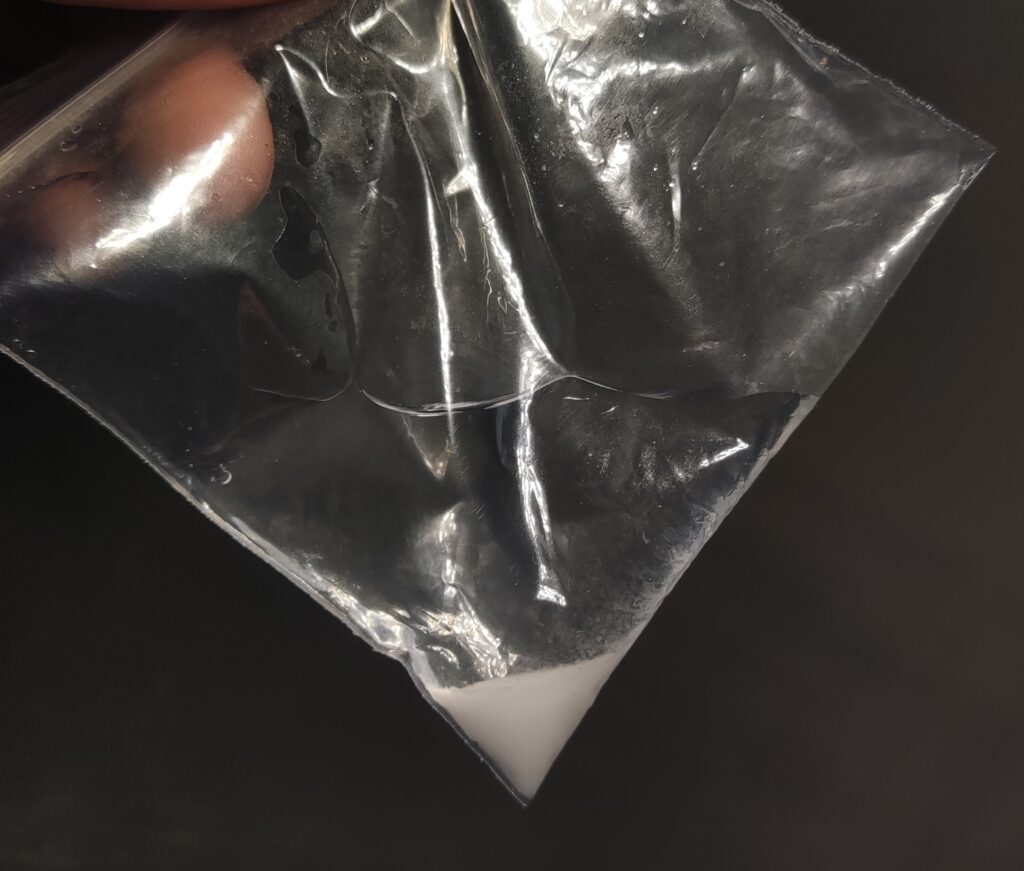
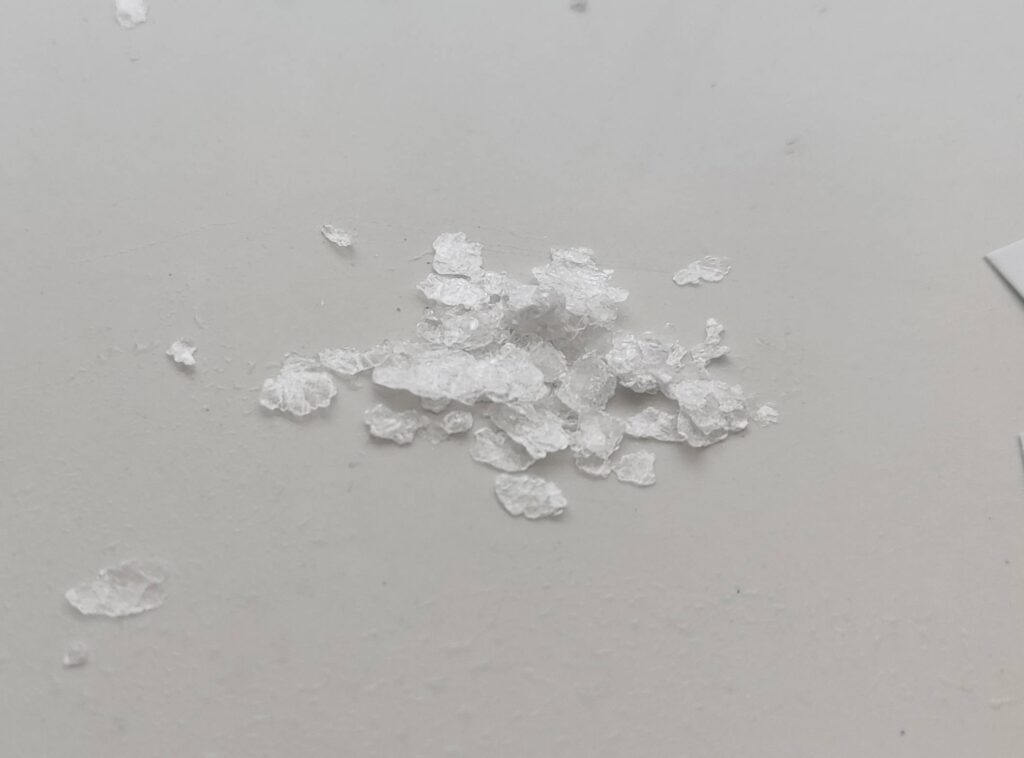
The picture shows magic boric acid “fishscale” cut. Pure boric acid flakes are distinguishable from cocaine, but when mixed together in smaller amounts it is impossible to spot them.

Why Boric Acid?

Boric acid is chosen as an adulterant for cocaine primarily because of its physical properties. Cocaine, in its pure form, often has a shiny, pearlescent quality, reminiscent of fish scales. Boric acid, when ground finely, also possesses a similar sheen, making it an attractive option for unscrupulous dealers looking to pass off diluted cocaine as pure. The visual similarity can deceive users and law enforcement, making it a stealthy and effective adulterant.

Boric acid is white, has no smell, and tastes very slightly bitter and sour. This subtleness means it is easily overpowered by anything else in the mixture.

Detecting Boric Acid in Cocaine

Detecting boric acid in cocaine can be challenging but not impossible. One simple method hinges on the solubility differences between the two substances. Cocaine is highly soluble in water, whereas boric acid is not. Here’s how this principle can be applied:

Solubility Test:

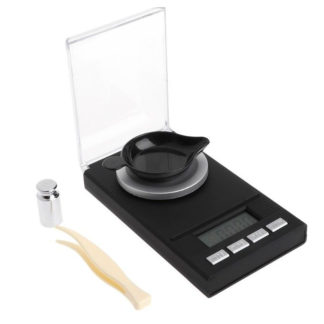
  • Measure out 1 gram of the sample. You can use our precision laboratory scales for this.
  • Attempt to dissolve it in 5 g (5 mL) of water at room temperature. If the substance dissolves easily with agitation within 10 minutes, it indicates there is little or no boric acid. However, if the substance does not dissolve completely, boric acid might be present.
  • To further test for boric acid, microwave the liquid in an open container for 10 seconds and agitate the solution.
    If there is less than 0.75 g boric acid in your 1g sample then the boric acid will slowly dissolve in 5 mL of hot water.
  • Allow the solution to cool in a fridge for 30 minutes.
    Cocaine will stay dissolved, but boric acid will “precipitate” and make the solution cloudy, then sink to the bottom as a sediment.

Removing Boric Acid from Cocaine

  • You can decant the water into another container, leaving the sediment behind. The water can be evaporated on a plate with a fan.
  • The residue on the plate will contain any cocaine and water soluble drugs and cuts such as benzocaine, MDPVP, 3‑MMC, and amphetamine. To detect other cutting agents, you will need a home cocaine testing multipack or a lab test.

The picture shows 0.5g boric acid sediment in 10mL of water.

Advanced notes:

  • (Caffeine will also precipitate in cold water, but it forms larger clumps of fluffy crystals and struggles to sink.)
  • (Cellulose binder from crushed pills and calcium carbonate will never dissolve.)

Chemical Testing

Home reagent tests like the marquis reagent don’t change colour for boric acid, but they do detect a huge range of other molecules. They are designed to detect the presence of other drugs that present a serious risk but also detect other cutting agents.
You can see the different colours that other chemicals go here: Instructions for Using Reagent Tests

Health Risks

It’s important to highlight the health risks associated with the use of boric acid in cocaine. Boric acid is not meant for human consumption and can cause a range of adverse effects, including:

  • Nausea and vomiting
  • Abdominal pain
  • Diarrhea
  • Skin irritation

With high doses or regular consumption, boric acid poisoning can lead to more serious health issues such as renal failure, seizures, and even death. This makes the practice of cutting cocaine with boric acid particularly dangerous and underscores the importance of awareness and testing.

If you are regularly consuming diluted cocaine and change to a supplier offering high purity, you could overdose from your normal dosage. Keep in mind that cocaine itself has health risks. Even when it is completely pure, cocaine disrupts the rhythm of the heart, prevents sleep (leading to temporary psychosis) and damages delicate tissues such as in the nose and gums. Use a saline spray after using cocaine to reduce the damage it does in the nose.

Reagent test results for boric acid

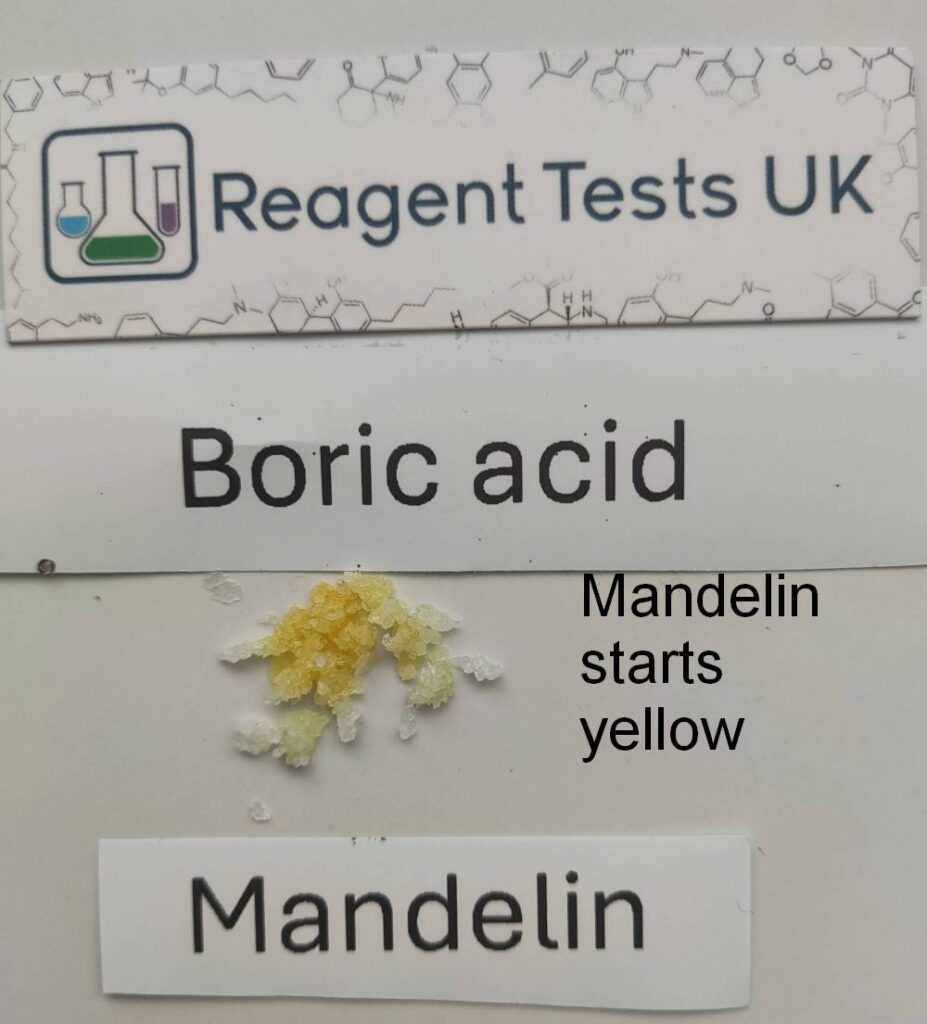
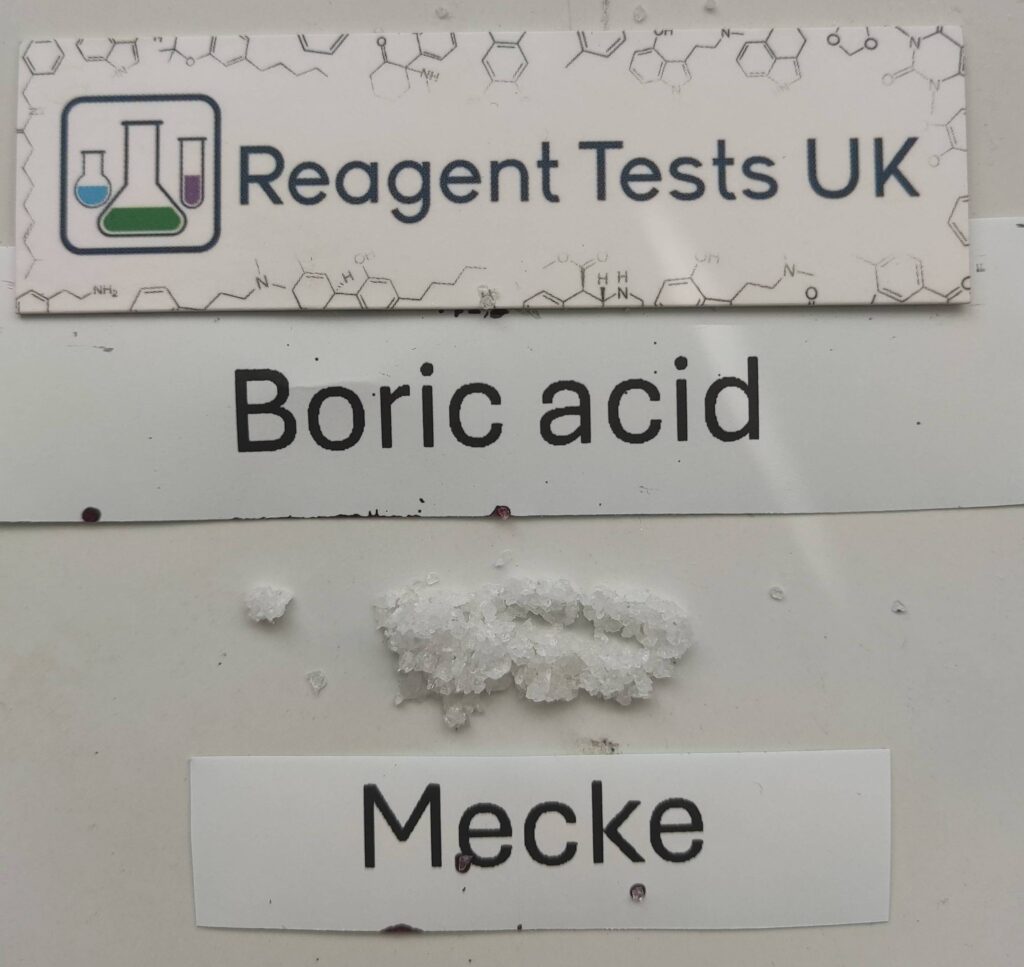
Note that the mandelin reagent is naturally yellow. None of the reagents show a change in colour.

Substance testedName of reagentColour change after 60-120 seconds
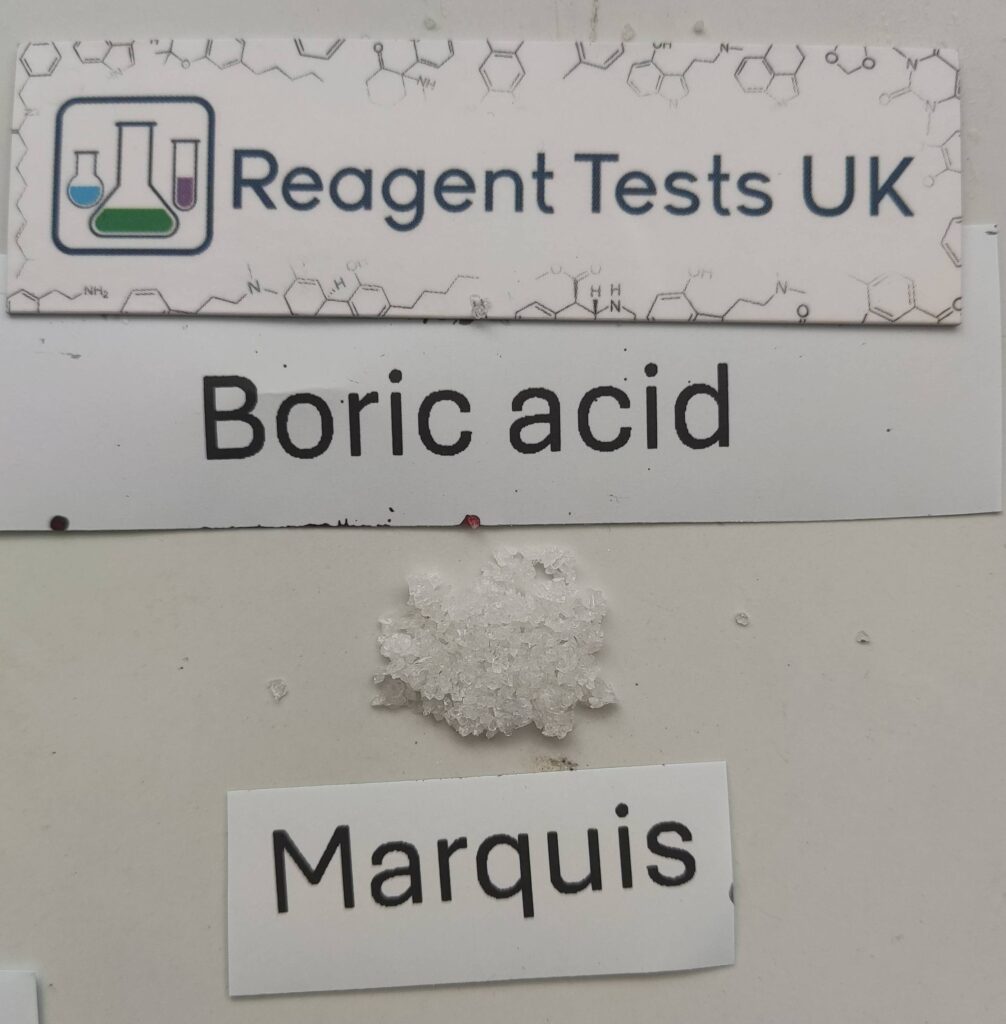
Boric acidMarquisNo colour change
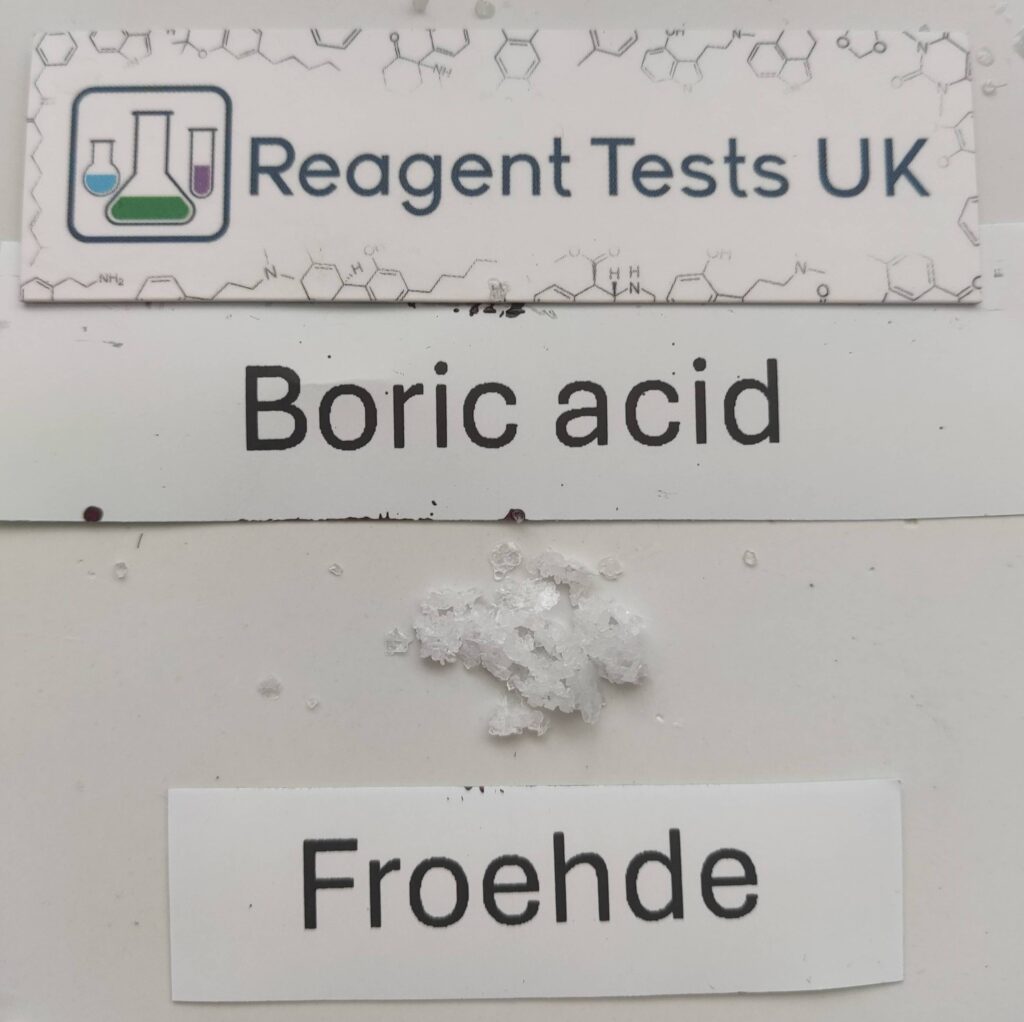
Boric acidFroehdeNo colour change
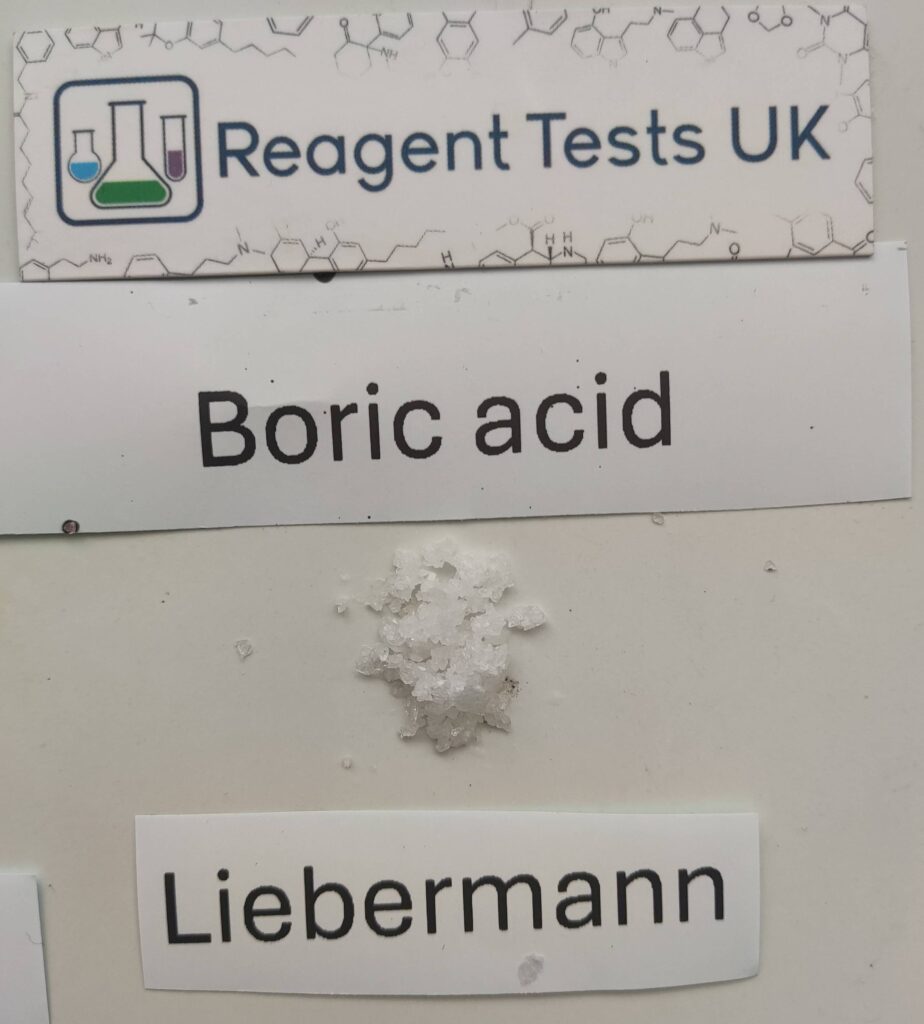
Boric acidLiebermannNo colour change
Boric acidMandelinNo colour change
Boric acidMeckeNo colour change
Posted on

What is pink tusi, aka pink tusibi, aka pink cocaine?

Pink tusi is a strange phenomenon. Despite having a name that appears to be deliberately confusing it with the psychedelic drug 2C-B, it has nothing in common with it, either effects or chemistry.

Photo credit: www.drugsdata.org

What makes pink tusi even stranger is that it’s composition changes every time, the only thing that doesn’t change is the pink dye. Pink tusi is a mixture of drugs depending on who’s making it, which usually contains at least two of: caffeine, ketamine, MDMA and of course the famous pink dye. In rarer cases it has also contained cocaine, methamphetamine or stimulants from the cathinone class. Ketamine is the second most common ingredient after pink dye.

Analysis results recorded by DrugsData.org show the strange selection of drugs that pink tusi can contain.

Why is pink tusi so popular?

So, why is this strange mixture of drugs so popular? There are many theories but one is that people actually enjoy ketamine more when they take less! By mixing it with caffeine or MDMA they have mild effects from both drugs that feel quite different to any experience they have had before, so this makes it more enjoyable than accidentally taking too much ketamine and ending up in a K-hole.

Should I take pink tusi?

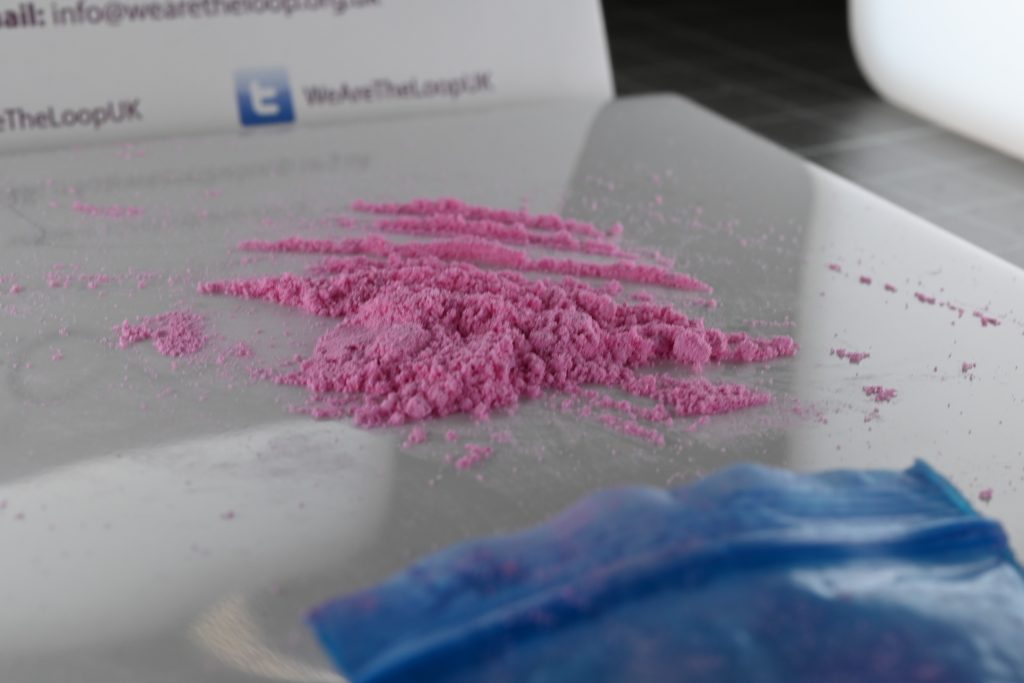
Image credit: www.wearetheloop.org

If it’s just a mixture of ketamine and pink dye, does that mean that a person who enjoys ketamine would enjoy it? Perhaps they would enjoy that mixture, but we can never know what a drug is by looking at it or by knowing what colour it is. The mixture could easily contain anything at all, including something you don’t want to take.

As always, it’s critical to test your drugs before you consume them, to be sure you know what you’re actually taking. Besides, it’s better not to support dealers that conceal the truth about what it is they are selling.

Posted on

Your MDMA does not contain methylone, even if your test says it does. Here’s how we know.

Some suppliers of reagent tests provide reaction charts which show methylone as a possiblity. Often, it is the only yellow option on the chart for the marquis reagent. If the only reagent used is the marquis reagent then it’s reasonable that a person would assume they have methylone. This is a dangerous assumption because in 2021, it’s not methylone. You can get the kit to prove this here, but read below to understand exactly why it’s so unlikely.

It is very unlikely because methylone:

  • is banned at UN level (so no legal lab would produce it, same penalties as MDMA for illegal labs),
  • is not easier to make than MDMA,
  • demands lower prices in bulk,
  • sells for higher prices to the niche enthusiasts, it is quite sought after. So if you are a small lab producing small amounts you could get more money by selling it as methylone,
  • is less potent than MDMA so you need to smuggle larger volumes of drug,
  • has not really been seen on the market since 2016, it’s very rare.

If it was methylone (very unlikely) then methylone is very similar risk to MDMA but with less lovey effects and much shorter duration. The whole reason we take issue with this misleading reaction chart is because people might take this substance thinking it’s methylone and that they are happy with the risks being similar to that of MDMA itself.

So what are these substances if methylone is so unlikely, and how can we be sure?

N-ethylpentylone and eutylone are more common now and much more likely to be the culprits here because:

  • They’re quite potent, so easier to smuggle and cheaper to make
  • They’re not scheduled globally, so grey-market labs in asia can produce legally at huge scale (N-ethylpentylone was scheduled in 2020, so this only applies to eutylone now)
  • They also have very similar appearance to MDMA in crystal form (many drugs do, to be fair)
  • They are very commonly seen on the market since around 2018 when more desirable drugs were banned
  • They have the same yellow reaction with the marquis reagent (but can be very easily distinguished with the froehde reagent. This is one great reason why it’s always essential to test with more than one reagent)

We wrote an article on detecting N-ethylpentylone in 2018 because it was so common and causing so many problems. https://www.reagent-tests.uk/blog/how-to-detect-pentylone-and-n-ethylpentylone-sold-as-mdma/

The problem with these nasty compounds is that they lull people into a false sense of security because they feels kind of adequate enough at first, enough to make someone think they just have “rubbish MDMA”. The good effects last about 2 hours, so people take more.

But each redose adds about 6 hours onto the time a person can’t sleep for, so party for 10 hours and then can’t sleep for 30 hours after that. The mixture of residual dopamine release and insomnia then has the ability to cause intense paranoia and anxiety and in vulnerable people (about 1 in 20 cases, particularly at festivals where people dose 2 nights in a row) that develops into temporary psychosis which doesn’t subside until the person can sleep. This often requires medical intervention.

So what’s the solution to this? Always test with more than one reagent. It massively increases confidence in the accuracy of the result and completely avoids this confusing situation.